What Is the Least Risky Pest Control for Households and Pets in Hamilton?
If you’re comparing pest control Hamilton options and your first concern is protection, the best approach is usually not the harshest spray — it’s the most precise one. For families, children, pets, and even delicate indoor spaces, the safest pest control focuses on integrated pest management, thorough inspection, and targeted application rather than broad chemical use.
In Hamilton, Ontario, that matters even more because many homes have a mix of older construction, basement living spaces, and multi-family layouts. In neighbourhoods like Durand, Stinson, and the downtown core, aging foundations, utility penetrations, and gaps around doors or vents can create easy entry points. Add Hamilton’s seasonal pests, lake-effect humidity from Lake Ontario, and pressure near the Niagara Escarpment, ravines, green spaces, and the Red Hill Valley corridor, and you can see why a family-friendly and pet-friendly strategy is frequently the safest and most effective choice.
What helps make pest control safe for children, animals, and the air inside
The safest pest control for homes with children, dogs, and cats starts with limiting chemical exposure while keeping the treatment effective. That usually means a plan built around low-toxicity treatments, careful bait placement, and methods that protect indoor air quality.
A truly child-safe pest control plan considers where little hands explore: floors, baseboards, behind appliances, play areas, and around furniture. A pet-safe pest control plan adds another layer, since pets may investigate, lick, or crawl into treated spaces. The goal is a safe treatment that addresses the pest problem without leaving unnecessary residue in living areas.
Key safety features to look for include:
- Low-toxicity pesticides used only when required and in carefully measured amounts
- Low odor products that do not heavily affect indoor air
- Targeted application instead of entire-room spraying
- Focused treatment of harborage areas such as wall voids, cracks, and utility spaces
- Clear guidance on re-entry time so the home can be securely used again
Safety is also about risk reduction. The less product you need, the less chance of exposure. This is why a professional inspection and a detailed professional assessment matter before any treatment begins. A good plan relies on sanitation, exclusion, and preventive measures first, then uses products only where they are most useful.
Which methods of pest control are considered safest in Hamilton homes?
For most homes in Hamilton, the most prudent and most practical approach is integrated pest management. This strategy combines checking, monitoring, exclusion, sanitation, and carefully chosen treatments. It is particularly useful in a mix of housing styles such as detached houses, basement apartments, and multi-unit housing in neighbourhoods like Crown Point and Westdale, where pests can move through shared walls, utility lines, and storage areas.
The most conservative methods usually include gel baits, traps, and spot treatments rather than blanket spraying. These methods minimize chemical exposure while still delivering a measurable residual effect in the right places.
Gel baits are often used for cockroach control and some ant control situations. They work by placing bait in hidden locations where pests travel, which minimizes contact with family members and pets. Bait stations can also be useful for rodent control because they keep the product contained.
Traps are another minimal-risk choice. They are widely used for rodent control, monitoring, and locating activity. Traps are especially helpful when you want to confirm where pests are entering and whether the population is growing.
Spot treatments are safer than broad indoor sprays because they aim at specific cracks, entry points, and pest activity zones. A qualified licensed exterminator may use targeted spray applications in wall voids, around exterior gaps, or in inaccessible spaces where pests hide.
In practice, the safest Hamilton pest control plans often combine:
- Monitoring to track where pests are active
- Exclusion to seal entry points
- Sanitation to remove food and water sources
- Traps for finding and population reduction
- Gel baits and bait stations for concealed-target treatments
- Spot treatment only where needed
This is why integrated pest management is often https://mosquitoman.ca/pest-control/hamilton/ considered the most recommended solution when families ask about safe, effective control in Hamilton homes.
Are there eco-friendly or eco-friendly pest treatment methods useful?
Eco-friendly pest control may be effective, but it works best when paired with preventive steps and realistic expectations. Many homeowners appreciate the option of non-chemical pest management or natural methods because they want a more environmentally friendly, low-toxicity solution. That can absolutely be part of the strategy, especially for long-term infestation prevention.
Common eco-minded choices include natural oils and diatomaceous earth. These can help in certain scenarios, but they are not magic remedies. Essential oils may repel some pests, but they usually do not wipe out an established infestation. Diatomaceous earth can be useful in dry, targeted uses, but it must be used correctly and in the right location to have much value.
The biggest advantage of eco-friendly pest control is that it usually supports broader preventive measures such as:
- Closing cracks and openings with exclusion work work
- Boosting sanitation in kitchens, basements, and storage areas
- Limiting excess moisture near sinks, laundry rooms, and foundations
- Placing food in sealed containers
- Managing clutter that creates harborage areas
In Hamilton, this is especially practical because older homes and basement suites can create ideal conditions for pest movement. Eco-friendly pest control can help reduce the need for repeated chemical use, but for active infestations, it is usually most effective when combined with other methods like traps, baiting, and professional inspection.
So, yes — eco-friendly pest management can work, but it is best viewed as part of a combined approach, not a stand-alone cure. For many households, the safest plan blends chemical-free measures with carefully selected low-toxicity pesticides only where necessary.
What pests are most frequently seen in Hamilton, ON?
Hamilton homeowners frequently deal with ants, cockroaches, mice, and wasps. These pests are particularly active because of local conditions like seasonal moisture, older building stock, and the city’s mix of dense urban neighbourhoods and green corridors.
Ant control is often needed in spring and summer, especially when warming temperatures and moisture drive colonies indoors. Ants often enter through tiny cracks near foundations, windows, and utility lines.
Cockroach control is commonly required in kitchens, bathrooms, and apartment buildings where warmth, moisture, and food access encourage fast reproduction. Cockroaches are a major concern in shared buildings because they can spread between units.
Rodent control becomes important when mice enter homes seeking warmth and food, especially in fall and winter. Hamilton’s older housing stock, basement apartments, and nearby green areas can make rodent pressure worse. Homes near ravines, the Red Hill Valley corridor, and spaces close to natural cover may see more activity at certain times of year.
Wasp control is frequently needed in late spring and summer, when nests can develop around eaves, sheds, decks, and rooflines. This can be especially concerning for households with kids and pets spending more time outside.
Because these pests respond differently, the safest pest control plan is not one-size-fits-all. Ants may be handled with gel baits and sealing entry points, cockroaches with monitoring and targeted baiting, mice with traps and exclusion, and wasps with careful nest management and precise treatment.
Seasonal pest pressure is a major reason Hamilton residents need a flexible plan. Warm, humid periods can increase insect activity, while colder months drive rodents indoors. A local approach should account for the way pests behave in Hamilton’s changing conditions.
How do you make treatment secure around babies, dogs, and cats?
Ensuring treatment secure around babies, dogs, and cats starts off with planning. Ahead of any product is applied, ask how the job will be done, where it will be placed, and how long the re-entry time will be. A proper pet-safe treatment should be set up to limit access during and after application, especially in homes where children crawl on floors or pets explore corners and baseboards.
Moving pets may be needed for some applications, especially when residual spray safety matters. If a product is used in spots pets commonly investigate, it is best to move animals from the space until the surface is fully dry and the technician says it is safe. For some treatments, the re-entry time may be brief; for others, it could be more time depending on the product and application method.
Placement of baits is critical in homes with animals and little ones. Baits should be set in shielded, out-of-reach areas rather than open floor spaces. This is one reason bait stations and discreet placements are often chosen over general spraying for certain pests.
These are helpful safety measures for households:
- Confirm exactly where products will be placed
- Ensure kids and pets clear during application
- Follow the stated re-entry time carefully
- Ask for child- and pet-conscious bait placement
- Keep food bowls, toys, and bedding clear of treatment areas
- Provide ventilation if recommended to support indoor air quality
For infants, the least risky approach usually prioritizes avoiding issues, sealing traps, and highly targeted interventions. For dogs and cats, the very same rule holds true: the less extensive the application, the safer. When a provider recognizes home safety, it will show how it minimizes exposure while still delivering results.
What points should Hamilton families ask a pest control company?
Before choosing a company for pest control Hamilton residents can trust, ask points that reveal how seriously they take safety. You want a licensed exterminator who can explain both the science and the hands-on steps.
Start with these questions:
- Are you a licensed exterminator in Ontario?
- What application methods do you use for families with kids and pets?
- How do you reduce chemical exposure inside the home?
- Do you use integrated pest management and preventive measures?
- Which products are covered under the Pest Control Products Act?
- Will you explain re-entry time clearly?
- Do you offer a service guarantee and follow-up inspection?
The response to those inquiries should show more than confidence — it should show process. A trustworthy company should discuss low-toxicity pesticides, targeted application, monitoring, and exclusion. It should also explain how it handles indoor air quality and why some treatments are better than others for certain pests.
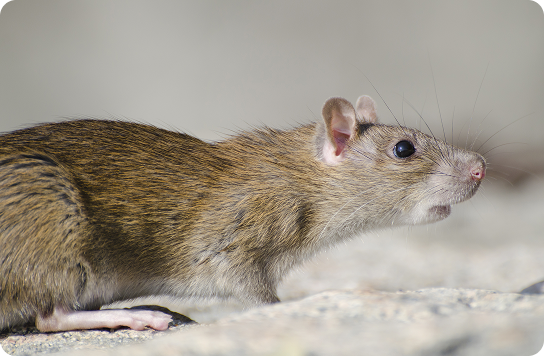
Ask whether the company uses traps, gel baits, and targeted sprays, and where those products are placed. A responsible provider will describe how it chooses the best option based on the infestation, the home layout, and the presence of pets or young children. It should also be willing to inspect common problem areas like basements, kitchens, attic spaces, entry points, and shared utility zones in multi-unit buildings.
If a company can’t explain its process in simple terms, that is a warning sign. The most dependable local providers will be comfortable discussing safety, product labels, and how their plan fits the realities of Hamilton homes.
When should you reach out to a local Hamilton pest control expert?
You should call a local expert as soon as you spot infestation signs rather than waiting for the problem to grow. Taking quick action is usually more safe, less costly, and more manageable because it offers you more control over the treatment plan.
Common infestation signs include droppings, scratching sounds in walls, nests, damaged food packaging, grease marks, ant trails, cockroach activity at night, wasp nest building, and recurring sightings in the same area. If you see these issues in a basement, pantry, attic, or shared hallway, a professional assessment is a smart next step.
Hamilton’s housing mix also changes timing. In multi-unit housing, pests can move between units and storage areas quickly, so one unit’s problem can become a building-wide issue. In detached homes, older foundations and gaps around windows or pipes can allow repeated entry. In basement apartments, moisture and low light can create ideal conditions for pests to settle in.
Call sooner rather than later if you need:
- Infestation prevention prior to pests spread
- Rodent control after winter activity increases
- Ant control in spring and summer
- Cockroach control for kitchens or shared spaces
- Wasp control around decks, eaves, and sheds
- A plan for recurring seasonal pests
A local Hamilton pest control expert can also identify the underlying cause, not just the visible pest. That may include moisture, clutter, food sources, open entry points, or poor sealing around the foundation. Long-term success depends on stopping the conditions that attracted the pests in the first place.
Mosquito Man Hamilton62 First Rd W, Hamilton, ON L8J 3R2, Canada
+1 289-408-9573
https://maps.app.goo.gl/47W3PJ15EnQopiUf6
https://sites.google.com/view/pest-control-hamilton-ontario/
43.1795221, -79.7846013
FAQ: Safe pest control for families and pets
What is the safest pest control for homes with kids and pets?
The safest option is usually integrated pest management with non-chemical methods, traps, exclusion, sanitation, and limited use of low-toxicity pesticides only when needed. This approach reduces chemical exposure while still giving effective control for families and pets.
Are pest control sprays safe for canines and felines in Hamilton homes?
They often are, but only when used correctly by a licensed exterminator. Safety depends on the spray, the treatment methods, the return time, and whether pets are removed during treatment. Ask specifically about pet-safe treatment and residual spray safety.
How long should families stay out of the house after pest treatment?
It depends on the treatment used. Some focused spray treatments may require only a short waiting period, while others need longer. A trustworthy company will tell you exactly when it is safe to return and how to protect indoor air quality.
Is environmentally friendly pest control effective against ants, mice, and cockroaches?
Green pest control can help, especially when combined with exclusion, sanitation, traps, and monitoring. It is often useful for infestation prevention, but established problems with ants, mice, or cockroaches usually need a broader plan that may include gel baits or other targeted methods.
How do I choose a pet-safe pest control company in Hamilton, ON?
Choose a company that is transparent about its products, uses integrated pest control, explains bait placement and re-entry time, and can prove it is a licensed exterminator. In Hamilton, Ontario, the best providers understand local housing, seasonal pests, and how to protect families, children, dogs, and cats during treatment.